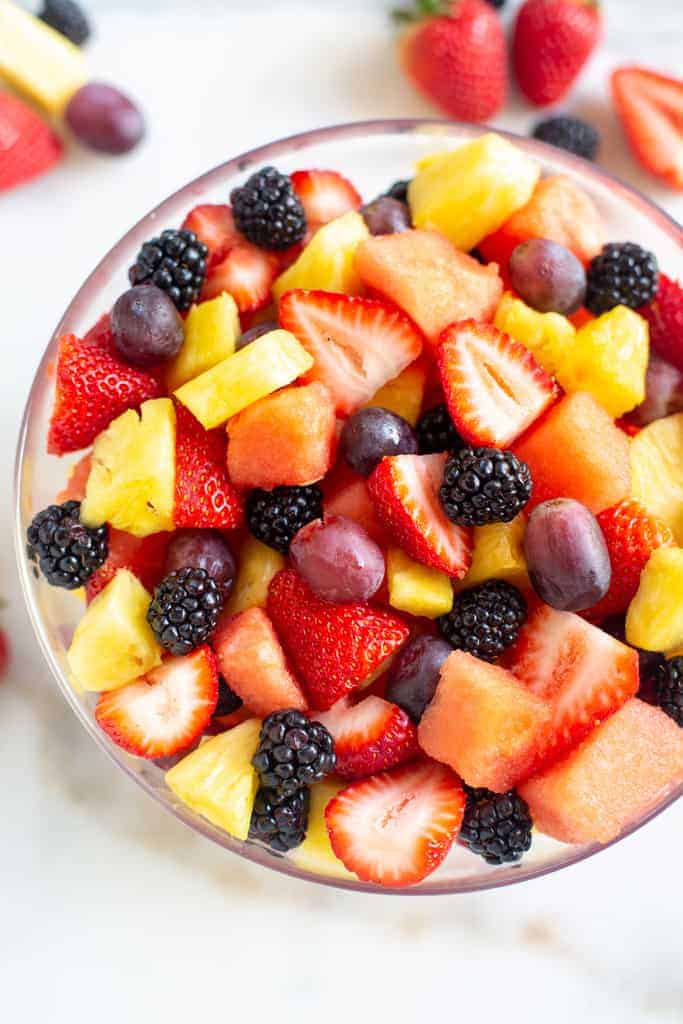
The Irresistible Allure of Fresh Fruit Salad: A Guide to Creating Your Vibrant Masterpiece
There's something uniquely captivating about a vibrant bowl of fresh fruit salad. It's a symphony of colors, textures, and natural sweetness that instantly refreshes and delights. Far more than just a simple mix of chopped fruits, a well-crafted
fresh fruit salad is a testament to natural flavors, offering a healthy and guilt-free indulgence perfect for any time of day or year. Whether you're seeking a quick, wholesome snack, a light dessert, or a dazzling side dish for a gathering, this homemade classic stands out for its simplicity, incredible flavor, and boundless customizability.
What makes this refreshing dish a perennial favorite? For starters, it's incredibly simple to prepare, taking mere moments to bring together. It’s a naturally healthy choice, brimming with fiber and essential nutrients, all without the need for heavy syrups or unnecessary added sugars. Best of all, it's a culinary canvas, allowing you to swap out fruits, experiment with dressings, and tailor it precisely to your taste and what's in season.
Crafting Your Perfect Fresh Fruit Salad: From Selection to Serving
The secret to an exceptional fruit salad lies in thoughtful preparation, starting right from your grocery basket.
Selecting Your Star Fruits: The Foundation of Flavor
The foundation of any truly flavorful fruit salad rests squarely on the quality and ripeness of its components. Choosing fresh, ripe fruits like apples, berries, and melons isn't just a suggestion; it's an imperative for achieving optimal sweetness, texture, and a harmonious blend of flavors. Ripe fruits contain peak sugar levels and desirable enzymatic activity, ensuring that each bite is a balanced delight.
To identify ripeness, engage your senses:
- Apples: Seek out firm but slightly yielding apples with vibrant skin. Avoid soft spots or bruises.
- Berries (strawberries, blueberries, raspberries, blackberries): They should be plump, uniformly colored, fragrant, and free from any mold or mushiness.
- Melons (watermelon, cantaloupe, honeydew): A ripe melon will feel heavy for its size and often emit a dull thud when gently tapped. Cantaloupes should also have a sweet, musky aroma at the stem end.
- Pineapple: Look for a pineapple that smells sweet at its base and has leaves that can be plucked out with relative ease.
- Mangoes: A ripe mango will yield slightly to gentle pressure and emit a sweet, fruity aroma near the stem.
- Citrus (oranges, mandarins, grapefruit): Should feel heavy for their size and have smooth, blemish-free skin.
Prioritizing local and seasonal produce not only ensures peak freshness and flavor but also supports sustainable practices.
The Simple Steps to Assembly: Bringing It All Together
Once you’ve gathered your stellar ingredients, assembling your
fresh fruit salad is a breeze:
- Prepare Your Fruits: Wash all fruits thoroughly. Peel any necessary fruits (like oranges, pineapple, mangoes, kiwis). Chop all fruits into bite-sized pieces for easy eating and a visually appealing mix.
- Combine Most Fruits: In a large bowl, gently combine the majority of your prepared fruits. It's often best to hold back more delicate fruits, like raspberries or very soft melon pieces, until later to prevent them from getting crushed.
- Add Flavor Enhancers: This is where the magic happens! Zest a fresh orange directly over the bowl – the aromatic oils from the peel add incredible depth. Squeeze some fresh orange juice over the fruit for a subtle tang and natural sweetness. For an extra layer of freshness, finely chop a few mint leaves and sprinkle them in. Other options include a light drizzle of lime juice (which also helps prevent browning) or a tiny hint of honey or maple syrup if you desire a touch more sweetness.
- Integrate Delicate Fruits: Now, gently fold in your more fragile fruits, like raspberries or pre-sliced bananas, which are best added closer to serving time.
- Serve Immediately: For the freshest taste and texture, serve your fruit salad right after preparation.
Customization and Creative Twists for Your Fresh Fruit Salad
The beauty of a fruit salad lies in its adaptability. It's not just a recipe; it's a concept that invites endless creativity.
Seasonal Sensations and Flavor Pairings
Embrace the changing seasons to keep your fruit salad exciting throughout the year:
- Spring: Think strawberries, blueberries, kiwi, and early stone fruits like cherries.
- Summer: A bounty of berries, watermelon, cantaloupe, peaches, plums, and apricots.
- Autumn: Apples, pears, grapes, and pomegranates create a warm, inviting mix.
- Winter: Lean into citrus – oranges, grapefruits, mandarins – alongside kiwis and perhaps some tropical fruits like mango or pineapple for a burst of sunshine.
Don't be afraid to introduce less common fruits like passion fruit for a tangy punch, star fruit for visual appeal, or even a few lychees for an exotic touch.
Elevating Flavor with Natural Enhancers
While orange and mint are classic companions, expand your palate with other natural enhancements:
- Citrus Zest & Juice: Lemon or lime zest and juice can add a bright, zesty kick.
- Herbs: Beyond mint, consider a light sprinkle of fresh basil (surprisingly delightful with berries and peaches) or even a tiny bit of rosemary with grapes and apples for an unexpected savory-sweet note.
- Extracts: A few drops of vanilla extract or almond extract can round out the sweetness and add a comforting aroma.
- Spices: A very light dusting of cinnamon or nutmeg can work wonderfully with fall fruits.
- Healthy Add-ins: For crunch and added nutrients, consider toasted slivered almonds, chopped walnuts, or a sprinkle of chia seeds. Coconut flakes also add a lovely tropical flavor and texture. Just remember to add these immediately before serving to prevent them from getting soggy.
- Creamy Touches: A dollop of Greek yogurt on the side, or a drizzle of a light honey-lime yogurt dressing, can transform your salad into a more substantial dessert.
Smart Storage and Pro-Tips for Longevity
To ensure your fruit salad stays fresh and appealing, a few smart strategies can make all the difference.
Battling the Browning Blues
One common concern with fruit salad is preventing certain fruits from oxidizing and turning brown. This is due to enzymes reacting with air.
- Citrus is Your Friend: For fruits prone to browning, like apples, pears, and bananas, a quick toss in lemon or lime juice is highly effective. The acidity acts as an antioxidant, inhibiting the browning process.
- Strategic Timing: If you're using apples, pears, or bananas, slice them and add them to the salad just before serving, especially if you haven't tossed them in lemon juice. Bananas, in particular, should always be a last-minute addition to maintain their best appearance and texture.
- Choose Wisely: Opting for fruits that naturally resist browning (berries, melons, grapes, oranges) for the bulk of your salad can minimize this issue.
Make-Ahead & Storage Secrets
While best served fresh, a
fresh fruit salad can be prepared a few hours in advance:
- Refrigerate Promptly: Store your prepared fruit salad in a sealed, airtight container in the fridge to keep it cool and prevent air exposure.
- Hold the Dressing: If making ahead, hold off on adding the orange juice, mint, or any liquid dressing until just before you're ready to serve. This prevents the fruits from becoming soggy and helps maintain their vibrant colors and crisp textures.
- No Freezing: We do not recommend freezing and thawing fruit salad. The freezing process alters the cell structure of the fruit, resulting in a mushy, unappetizing texture upon thawing. However, individual frozen fruits are excellent for smoothies!
Why a Fresh Fruit Salad is More Than Just a Dish
Beyond its delightful taste, a fresh fruit salad is a powerhouse of health benefits and an incredibly versatile addition to any meal plan.
A Bounty of Health Benefits
This colorful concoction is naturally:
- High in Fiber: Essential for digestive health and satiety.
- Rich in Vitamins and Antioxidants: Boosting immunity and fighting free radicals.
- Hydrating: Many fruits have a high water content, contributing to your daily hydration needs.
- Naturally Sweet: Offering a satisfying sweetness without the need for processed sugars, making it a smart choice for managing sugar intake.
Versatility for Any Occasion
From casual to formal, a fresh fruit salad fits seamlessly:
- Breakfast: A light and energizing start to your day.
- Snack: A perfect guilt-free pick-me-up.
- Dessert: A refreshing alternative to heavier sweets.
- Side Dish: Complements savory meals beautifully, especially at picnics, barbecues, or potlucks.
- Entertaining: Its vibrant appearance makes it a stunning centerpiece for any gathering, appealing to all ages and dietary preferences.
Conclusion
The fresh fruit salad is a timeless culinary classic for good reason. Its inherent simplicity, profound health benefits, and endless capacity for customization make it an invaluable addition to any kitchen. By selecting peak-ripe fruits, employing a few smart preparation techniques, and daring to experiment with flavors, you can transform a humble bowl of fruit into a truly extraordinary and invigorating experience. So go ahead, embrace the natural goodness, and create your own perfect fresh fruit salad – a delicious, wholesome, and effortlessly beautiful dish that truly tastes better from scratch.